
Knowledge Paper 011 · Brand Theory
What Is a Brand, Really?
Why your brand does not belong to you.
The short answer
A product belongs to a company.
A brand belongs to everyone who has ever encountered it.
You may own the trademark.
You may own the factory.
You may own the packaging, the website, the advertising and the legal rights.
But you do not own what people think when they hear your name.
That lives entirely inside their heads.
Your logo is not your brand.
Many businesses use the word brand when they really mean identity.
Logo.
Colour palette.
Typography.
Tone of voice.
Guidelines.
Those things matter.
But they are not the brand.
They are inputs.
The brand is the effect those inputs have inside the minds of real people.
Brands are built from scraps and straws.
Jeremy Bullmore once described people building brands like birds build nests: from scraps and straws they chance upon.
That remains one of the best definitions of branding ever written.
People construct their idea of a brand from countless small clues.
- The product.
- The price.
- The packaging.
- The advertising.
- The website.
- The invoice.
- The delivery van.
- The receptionist.
- The founder’s LinkedIn posts.
- The way a complaint is handled.
- What competitors do.
- What other people say.
Some of these things are controlled by the company.
Many are not.
But all of them become evidence.
A brand is made in memory.
The real brand exists as a network of associations in people’s minds.
It is not stored perfectly.
It is not identical from person to person.
It is reconstructed from fragments.
A colour.
A smell.
A story.
A bad experience.
A recommendation.
A half-remembered advert.
A feeling that the company seems competent, careless, generous, arrogant, cheap, premium, local or trustworthy.
No two people hold exactly the same brand in their heads.
That is why brands are so powerful.
And so slippery.
Why brands feel like people.
Humans evolved to understand other humans.
We are constantly judging character.
Can I trust this person?
Are they competent?
Are they generous?
Are they trying to deceive me?
Do they belong with people like me?
Brands hijack some of the same mental machinery.
We talk about them as if they have personalities because, psychologically, they often behave like social actors.
They make promises.
They disappoint us.
They flatter us.
They signal status.
They ask for trust.
Fame matters.
One of Bullmore’s sharpest observations was that strong brands share something with celebrities.
They are famous beyond their immediate buyers.
A luxury car brand does not only benefit from being known by the small percentage of people wealthy enough to buy one.
Its value partly comes from being known by people who may never own it.
That is not waste.
That is fame.
And fame creates value because humans attach significance to what is widely known.
This connects directly to Mental Availability and the 95–5 Rule.
The people who are not buying today may still become part of the memory system that gives the brand its strength tomorrow.
Brands are living things.
Products can stay the same while brands change.
That is because brands live inside moving minds and shifting cultures.
Customers age.
Competitors reposition.
Categories change.
Public expectations move.
New experiences accumulate.
Even if a company does nothing, the brand does not stand still.
It changes because the world around it changes.
Brand behaviour matters more than brand language.
Companies often describe themselves in flattering terms.
Innovative.
Trusted.
Premium.
Customer-first.
Human.
But people are not fools.
They watch what brands do.
A generous refund policy says more than a paragraph about service.
A badly written complaint response says more than a brand purpose statement.
An unexpectedly thoughtful detail can become more memorable than a campaign.
Brands have body language.
And customers read it.
Why this matters.
Most companies spend too much time trying to control their brand.
They cannot.
They can only influence it.
That influence comes from providing consistent evidence over time.
Distinctive assets help people recognise you.
Category Entry Points help people retrieve you.
Advertising helps build memory.
Behaviour helps create credibility.
Fame helps give the brand social weight.
The job is not to dictate what people think.
The job is to make it easier for many different people to reach broadly similar conclusions.
Common mistakes
Confusing identity with brand.
Your identity is what you put into the world.
Your brand is what people build from it.
Believing the company owns the brand.
The company owns legal assets.
The public owns the meaning.
Ignoring small signals.
Customers build brands from fragments.
Sometimes the tiny clue becomes the thing they remember.
Thinking brands are static.
Brands change every day because people, markets and competitors change every day.
Overvaluing what can be measured.
Not everything valuable is easy to count.
That does not make it less real.
TheSignalWorks View
A brand is not a logo.
It is not a campaign.
It is not a positioning statement.
It is a living memory system distributed across thousands, sometimes millions, of minds.
Every advert, invoice, product, email, complaint, conversation, rumour and recommendation becomes another piece of evidence.
Your job is not to control the brand.
Your job is to provide enough consistent evidence that people know what to remember.
Because brands are not built in boardrooms.
They are built in public.
Key Takeaways
- A product belongs to a company, but a brand lives in people’s minds.
- Brands are constructed from many small signals, not just advertising.
- No two people hold exactly the same version of a brand.
- Brand behaviour often communicates more powerfully than brand language.
- Strong brands create consistent memories across large numbers of people.
Frequently Asked Questions
Is a logo a brand?
No.
A logo is a distinctive asset. It can help people recognise and retrieve the brand, but the brand itself is the memory and meaning people attach to it.
Can a company control its brand?
Not completely.
A company can influence a brand through product, behaviour, communication and consistency, but meaning is ultimately constructed by the public.
Why do brands change over time?
Brands change because people, competitors and culture change. Even if the company stays still, the context around the brand keeps moving.
What makes a brand valuable?
A brand becomes valuable when it creates useful memory structures: familiarity, trust, fame, recognition, meaning and reduced uncertainty.
Why does fame matter for brands?
Fame gives brands social weight. A brand known beyond its immediate buyers often feels safer, stronger and more significant.
Further Reading
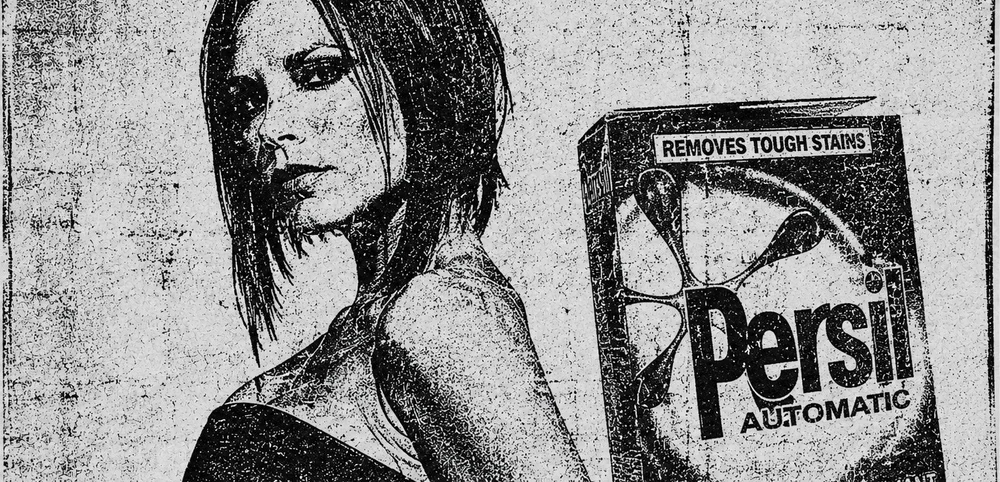
- Jeremy Bullmore — Posh Spice & Persil
- Robert Heath — The Hidden Power of Advertising
- Byron Sharp — How Brands Grow
- Jenni Romaniuk — Better Brand Health
- Julia Shaw — The Memory Illusion
Related Knowledge
About TheSignalWorks
At TheSignalWorks, we help organisations build brands that are easier to notice, easier to remember and easier to buy.
Because a brand is not what you declare.
It is what other people carry with them.